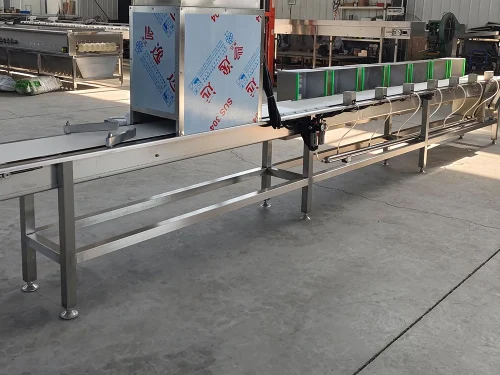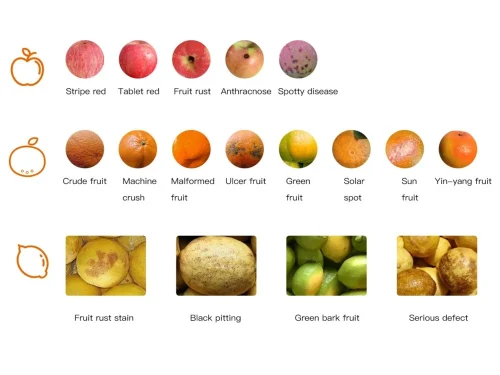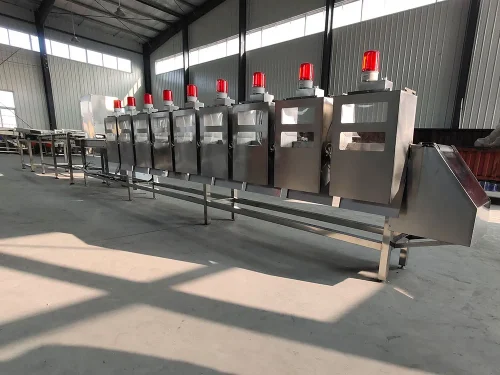


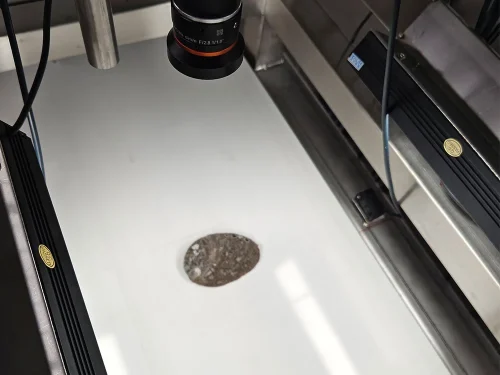
The visual sorting machine uses advanced imaging technology to inspect and sort items based on visual characteristics such as color, size, shape, or surface defects. These machines are widely used in industries like food processing, recycling, manufacturing, and agriculture.
Key Features
- High-Speed Cameras
- Capture detailed images of items as they pass through the machine.
- May include multi-spectral or infrared imaging for enhanced detection.
- Artificial Intelligence (AI) or Image Processing
- Analyzes images to identify and categorize items based on predefined criteria.
- Sorting Mechanism
- Uses mechanical gates, air jets, or conveyor diverters to separate items.
- Customizable Parameters
- Operators can adjust sorting rules for different products or criteria.
- Compact and Durable Design
- Built with stainless steel.
Main Components
- Feeding System
- Ensures items are spaced and aligned for clear imaging.
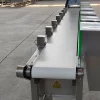
- Includes vibratory feeders or conveyors.
- Imaging Unit
- Equipped with cameras or scanners to capture item details.
- Includes lighting systems for consistent image quality.
- Control System
- Processes visual data and makes sorting decisions.
- Operators use an HMI (Human-Machine Interface) to set parameters.
- Sorting Mechanism
- Air Jets: Blow defective or out-of-spec items into a reject bin.
- Mechanical Gates: Direct items into appropriate bins or conveyors.
- Output Bins or Conveyors
- Collect sorted items in designated categories.