
A Comprehensive Guide to Selecting the Best Food Sorting Trays for Your Processing Line
Introduction
In the food processing industry, efficiency and precision are key. Whether sorting fresh fish fillets, poultry, fruits, or vegetables, the right tray selection plays a crucial role in ensuring smooth operations. Using an improper tray can lead to inefficiencies, contamination risks, or production slowdowns.
But how do you choose the right tray for your food sorting machine?
In this guide, we’ll cover:
✅ Essential factors to consider when selecting trays
✅ Standard vs. custom tray options
✅ A comprehensive tray size chart
✅ Material comparisons (plastic vs. stainless steel)
✅ Frequently asked questions (FAQs)
By the end of this article, you’ll have the knowledge to make an informed decision for your food sorting process.
Key Factors to Consider When Choosing the Tray
Selecting the right tray for food sorting machines involves more than just picking a random size. Here are five key considerations:
1️⃣ Size & Dimensions
- The length × width × height of the tray determines how well it fits your sorting machine and food items.
- Different food types require different tray sizes—for example, smaller trays for seafood, larger ones for poultry.
- Standard trays are suitable for most food processing plants, but custom trays may be needed for specialized applications.
2️⃣ Load Capacity
- Trays must withstand the weight of the food without warping or breaking.
- Lighter food (3-500g) such as dried sea cucumber, wings, chicken feet.
- Light-duty trays (500g–1000g) are best for small seafood or poultry cuts.
- Heavy-duty trays (1000g–4000g) are ideal for whole chickens, ducks, or bulk meat processing.
3️⃣ Material Options
- Food-grade plastic trays: Lightweight, cost-effective, easy to clean.
- Stainless steel trays: More durable, corrosion-resistant, and ideal for wet or high-temperature environments.
- Silicone-coated or textured trays: Prevent food from sliding, offering better stability during sorting.
4️⃣ Chain Compatibility
- Most food sorting machines use 1-inch or 1.5-inch chain sizes, so ensure the tray fits your equipment’s conveyor system.
5️⃣ Application Scenarios
- Seafood trays should be resistant to moisture and easy to clean.
- Meat trays need higher weight capacity and hygienic properties.
- Fruit trays must accommodate different shapes and sizes without bruising the produce.
Tray Size Guide: Standard & Custom Options
To help you find the right tray, we’ve compiled a comprehensive size guide:
| No | Photo | Size (Length*Width*High) Unit: mm |
Use Occasion |
|---|---|---|---|
| NO.1 | 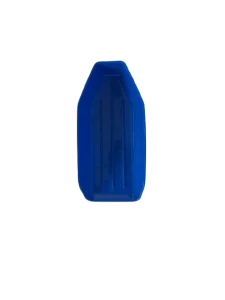 |
272×138×40 Load: 1000g Chain size: 1 inch |
Fillets, pieces of fish, pieces of meat… |
| NO.2 | 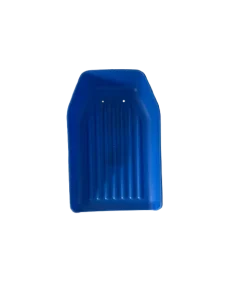 |
200×127×40 Load: 1000g Chain size: 1 inch |
Butterfish, chicken thigh, chicken breast… |
| NO.3 | 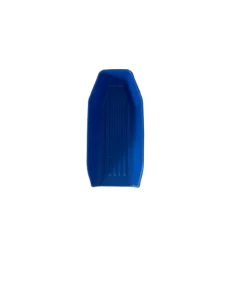 |
205×94×50 Load: 500g Chain size: 1 inch |
Small yellow croaker, chicken whole wing |
| NO.4 | 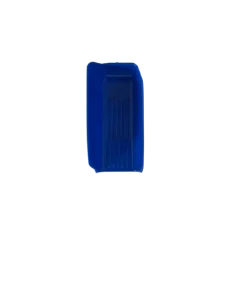 |
190×85×40 Load: 300g Chain size: 1 inch |
Sea cucumber, chicken feet, chicken wings |
| NO.5 |  |
150×143×45 Load: 1000g Chain size: 1 inch |
Fruit: Apples, tomatoes, potatoes… |
| NO.6 |  |
150×135×70 Load: 500g Chain size: 1 inch |
Salted egg yolk, Round… |
| NO.6-1 | 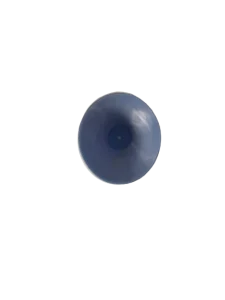 |
150×135×70 Load: 500g Chain size: 1 inch |
Food latex crash pads |
| NO.7 | 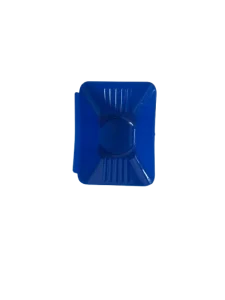 |
180×135×40 Load: 1000g Chain size: 1 inch |
Pumpkin, Apples, tomatoes, potatoes |
| NO.8 | 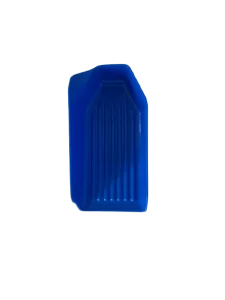 |
260×125×45 Load: 1000g Chain size: 1 inch |
Fillets, pieces of fish, pieces of meat |
| NO.9 | 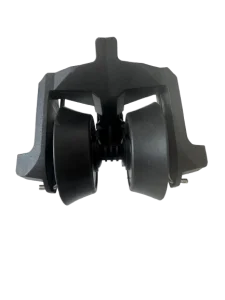 |
95×90 Load: 500g Chain size: 1 inch |
Diameter not greater than 100mm, round, oval, such as apples,oranges, tomatoes… |
| NO.10 | 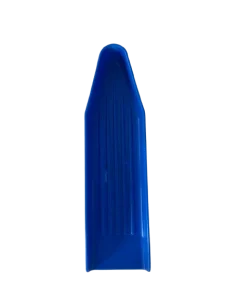 |
400×125×40 Load: 1000g Chain size: 1 inch |
Fish, Knife fish, mackerel |
| NO.11 | 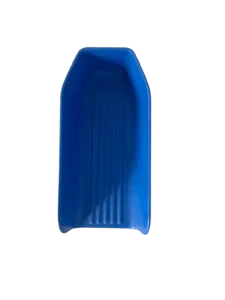 |
310×130×90 Load: 3000g Chain size: 1.5 inch |
Chicken carcasses, duck carcasses |
| 340×150×85 Load: 4000g Chain size: 1.5 inch |
Duck carcasses, geese | ||
| NO.12 | 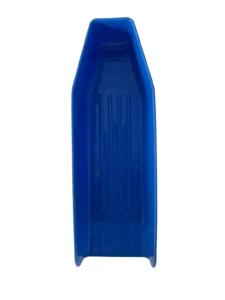 |
405×128×80 Load: 3000g Chain size: 1.5 inch |
Big yellow croaker, redhead, carp |
| NO.13 | 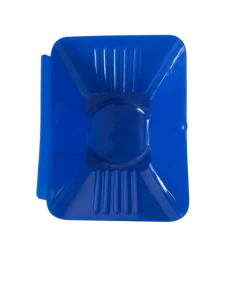 |
280×185×80 Load: 3000g Chain size: 1.5 inch |
Big melon, dragon fruit |
| NO.14 | 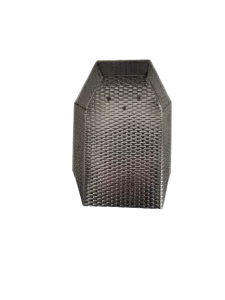 |
210×118×60 Load: 3000g Chain size: 1.5 inch Material: Embossing SUS304 |
Fresh fish slices |
| NO.14-1 | 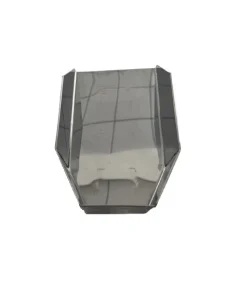 |
210×118×60 Load: 3000g Chain size: 1.5 inch Material: Mirror SUS304 |
Fresh fish slices |
Comparing Different Tray Materials
Which material should you choose for your food sorting trays?
| Material | Pros | Cons | Best Use Cases |
|---|---|---|---|
| Food-grade plastic(PP) | Lightweight, cost-effective, easy to clean | May absorb odors over time | General food sorting (fruits, poultry, seafood) |
| Stainless steel | Durable, corrosion-resistant, hygienic | Heavier, higher cost | High oiliness, Wet food processing (fish fillet, meat) |
| Silicone-coated trays | Non-slip surface, easy cleaning, anticollision | Limited availability, may be costly | High-precision sorting (delicate seafood, specialty items) |
💡 Plastic trays are the most common, while stainless steel trays offer superior hygiene and durability.
FAQs: Common Questions About Food Sorting Trays
✅ Q1: Can I use one tray for all food types?
- No, different foods require different tray sizes and materials. Moisture-sensitive items like fish need stainless steel, while dry goods work well in plastic trays.
✅ Q2: Should I choose standard or custom trays?
- Standard trays fit most applications, but custom trays are best if you process unique food sizes or require specialized features.
✅ Q3: What’s the best way to clean food sorting trays?
- Plastic trays: Wash with warm water and mild detergent.
- Stainless steel trays: Use hot water and a food-safe sanitizer.
✅ Q4: How do I know if a tray fits my food sorting machine?
- Check tray dimensions and chain size compatibility before purchasing.
✅ Q5: Do stainless steel trays last longer than plastic trays?
- Yes, stainless steel trays are more durable and resist high temperatures better than plastic.